


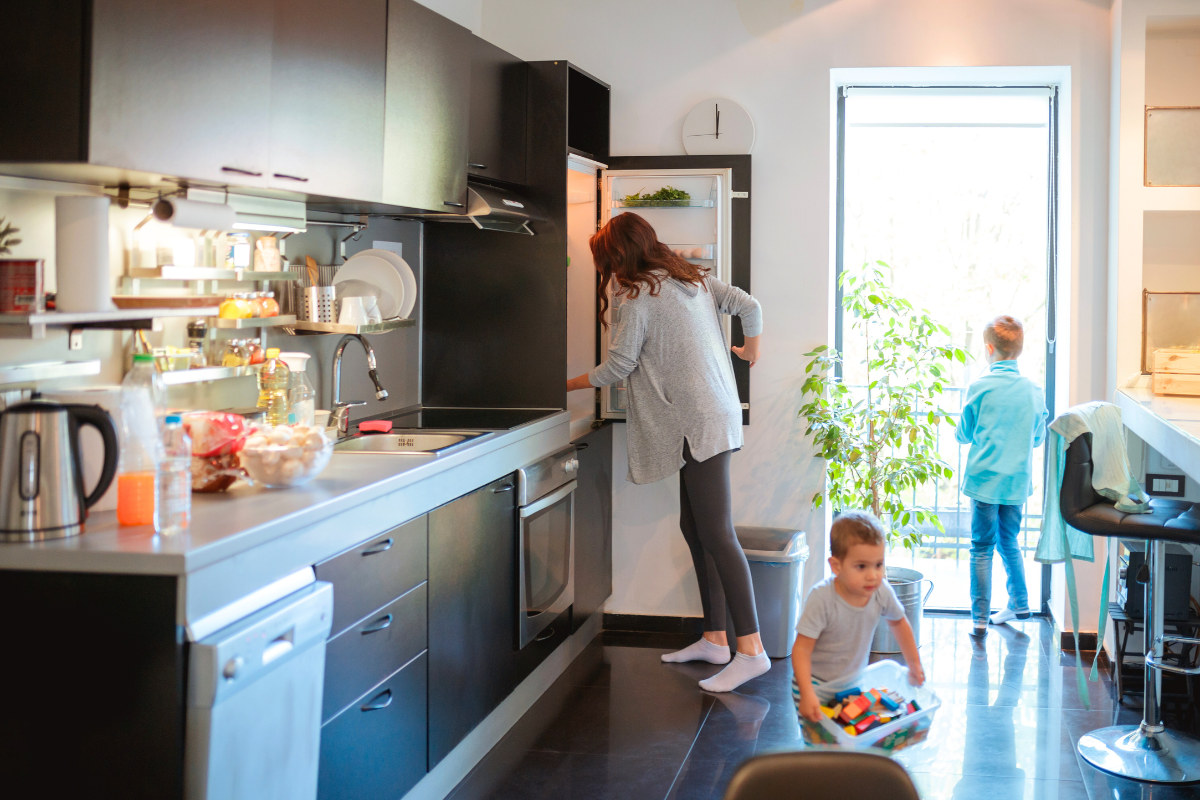
Why “organized” homes often fall apart
“These rooms used to look organized, but they never stay that way.”
We hear some version of this almost every week. And it’s important to say this clearly: there is no failure here.
Organization is often presented as a simple equation—declutter, buy containers, put things away. But real life is far more layered than that.
When systems don’t hold, it’s rarely because someone didn’t try hard enough. It’s because the systems were built around how a space should work, not how it actually functions day to day.
At Ethereal Edits, we don’t see clutter as the core problem. We see it as a signal—pointing to misalignment between routines, spaces, and the season of life someone is in.
The real reason organization doesn’t last
Most people organize by looking at a room in isolation. We start somewhere visible—a pantry, a closet, a playroom—and focus on making it look better.
What’s often missing is the bigger picture.
When organization fails, it’s usually because one (or more) of these things is true:
-
Items aren’t stored where they’re actually used
-
The flow of the space doesn’t support daily habits
-
Systems require too many steps to maintain
-
Life has changed, but the home hasn’t adjusted with it
We’ve worked with clients who are incredibly capable, thoughtful people—and yet their homes feel constantly behind them. Not because they’re disorganized, but because their systems were never designed to support the pace and rhythm of their lives.
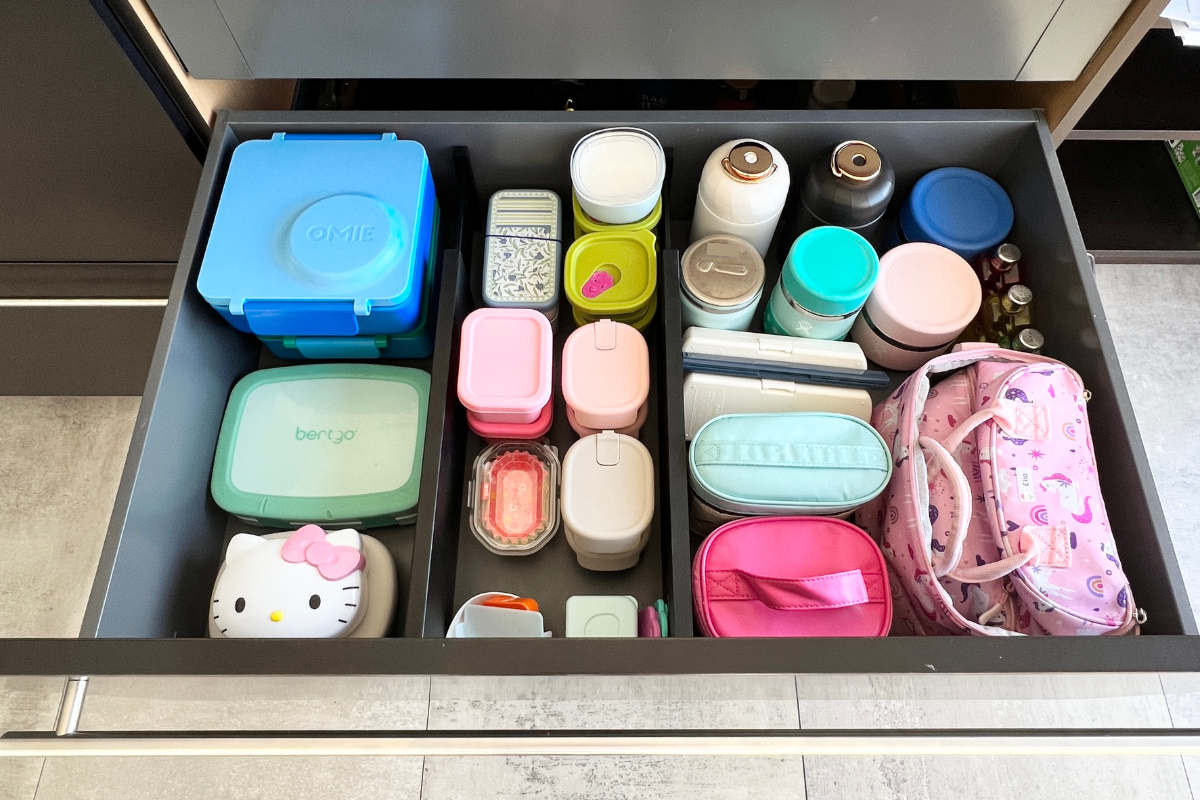
What lifestyle-based organization looks like
When we begin a project, we don’t start with bins or labels. We start with questions.
-
How do mornings actually unfold in your home?
-
Where do decisions feel heavy or rushed?
-
Which routines create friction—and which feel easy?
From there, we design systems that reduce effort, not increase it.
For example, in one home, daily lunch prep required moving across the kitchen multiple times each morning—snacks in one cabinet, water bottles in another, lunch boxes across the room. Nothing was technically “wrong,” but the flow worked against the routine.
By editing and consolidating those items into a single, intentional zone, mornings became calmer without adding more structure—just better alignment.
This same principle applies everywhere, from pantries to closets to family spaces. We explore this more deeply in our Pantry Edit Day post, where routines—not trends—drive the design of lasting systems.
Why decluttering alone isn’t enough
Decluttering is often framed as the solution to everything. And while editing is an important step, it’s only part of the process.
We’ve seen beautifully edited spaces fall back into frustration because the remaining items still weren’t supported by the layout or the habits required to maintain them.
True organization asks a deeper question:
What deserves to be easy in this home?
Sometimes that means fewer categories. Sometimes it means changing where items live. Sometimes it means acknowledging that a system that worked five years ago no longer fits.
If you’ve ever felt stuck in the cycle of decluttering and re-decluttering, this is likely why. We talk more about this decision-making process in our decluttering and editing resources, which focus on clarity rather than urgency.
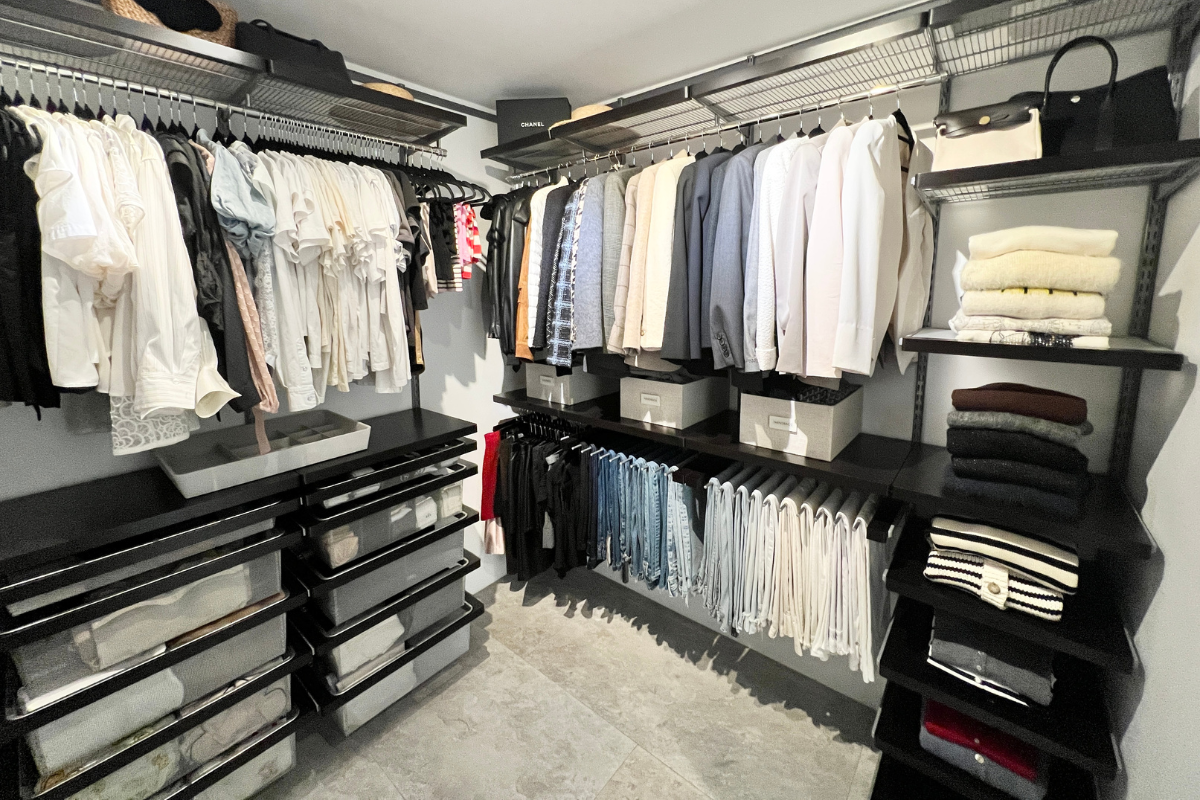
Closets, pantries, and playrooms all tell the same story
It’s easy to think of organization as room-specific, but the underlying issues are remarkably consistent.
Closets that don’t support real mornings create stress before the day even begins. Pantries organized by aesthetics rather than cooking habits slow everything down. Toy systems that scatter play across multiple rooms make resetting feel impossible.
When we design systems, we look for the point where effort spikes—and soften it.
In closets, that might mean editing wardrobes so everything visible is wearable now. In family homes, it often means consolidating toys into one intentional space so children can reset independently. We’ve seen how powerful this can be when playrooms are thoughtfully reimagined to support both creativity and calm.
Organization as a living system
One of the biggest shifts we encourage is seeing organization as something that evolves.
Homes aren’t static. Families grow. Schedules change. Needs shift. The most successful organizing systems are the ones designed with that reality in mind.
That’s why maintenance matters—not because things “fall apart,” but because life keeps moving. Small refreshes allow systems to continue supporting you instead of quietly becoming obstacles.
This is also why many of our clients return for refresh sessions as their lives change. The goal is never perfection. It’s support.
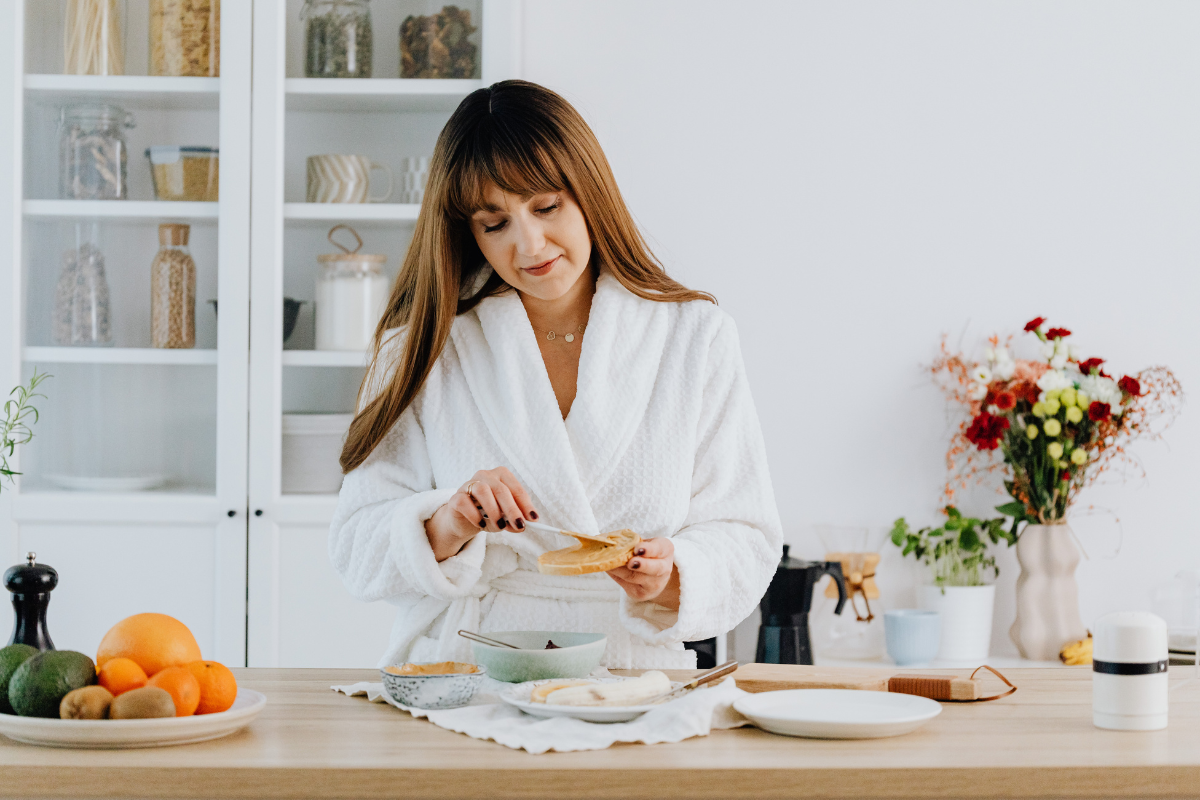
When organization finally clicks
The moment things change is often subtle.
Clients tell us mornings feel lighter. Resetting takes minutes instead of hours. They stop thinking about where things go—because the system makes sense.
That’s when organization stops feeling like a task and starts feeling like care.
If this perspective resonates, it may be a sign your home is ready for a more thoughtful approach—one rooted in how you actually live, not how a space looks on paper.
When you’re ready, you can learn more about working with us or explore related posts across our blog to see how this philosophy shows up in different rooms and routines.
Frequently asked questions
Why doesn’t my home stay organized even after decluttering?
Because decluttering alone doesn’t address flow, habits, or daily routines. Systems must support how items are used—not just reduce quantity.
Do I need to reorganize my whole home to see a difference?
No. Many clients start with one space. When designed thoughtfully, changes in one area often improve routines throughout the home.
Is professional organizing only for major transitions?
Not at all. While moves and renovations are common starting points, many clients simply want their home to support their current lifestyle more effectively.
How do I know when my systems no longer work for me?
If resetting feels harder, decisions feel heavier, or clutter returns quickly, those are signals—not failures.
Can organization really reduce daily stress?
Yes. When systems align with routines, mental load decreases and daily life feels more manageable.
A thoughtful next step
If you’re curious what it would feel like to live in a home designed around your routines and rhythms, we’d love to explore that with you. You can learn more about our services or book a complimentary call when the timing feels right.
Until next time,
Elissa


