When a Home Stops Keeping Up With the Family
Family homes rarely become difficult to maintain all at once.
More often, the routines change before the systems do.
Children grow out of clothes, books, toys, and interests. New gifts enter the house. School schedules shift. Food preferences change. Backpacks begin landing near whichever door everyone actually uses. Pet supplies migrate toward the entrance where the dog is walked.
The home may still look organized, but everyday categories start collecting in places that were never intended to hold them.
That is usually the first sign that the system needs to change.
It does not necessarily mean the family needs to start over. Often, the home simply needs to be reconsidered around the way everyone is living now.
Family Systems Need to Change as Children Grow
Children move through stages quickly.
A playroom that worked beautifully six months ago may still contain toys they no longer reach for. Books stay on shelves after interests change. Clothing that has been outgrown remains mixed with current sizes. New birthday gifts and party favors enter the home before older items have been reviewed.
For one client, we created a system in the garage for clothing her children will grow into. Future sizes are stored in labeled bins, while outgrown clothing can move out of the home through donation or her preferred community-sharing option.
We also created a structure for incoming toys and gifts.
A new gift does not automatically need to enter the playroom. It may be saved for later, donated, or used as an opportunity to rotate out something the children are no longer playing with.
The system gives the parent a place to make those decisions before everything simply accumulates.
This is also why organization can fail when it no longer reflects the household’s current lifestyle.
Drop Zones Should Follow the Way the Family Enters the Home
Entryways are another place where family organization can unravel quickly.
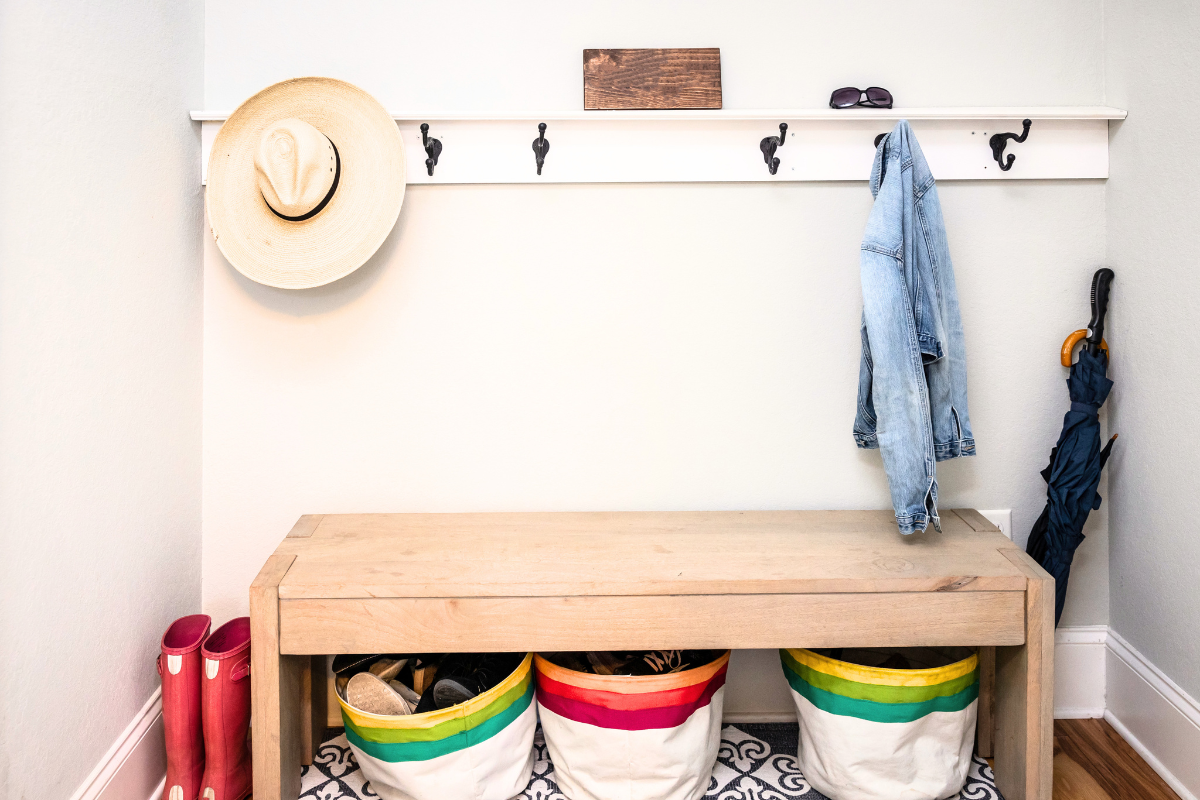
Backpacks, shoes, mail, keys, pet supplies, sunscreen, and everyday items naturally collect near the doors people use.
Rather than creating one generic drop zone, we look at what happens at each entrance.
The mudroom may be where the children enter after school, so backpacks and school items belong there.
Another entrance may be used for walking the dog, making it a natural place for leashes and waste bags.
A door leading to the backyard may need sunscreen, bug spray, lip balm, or pet-grooming supplies nearby because those are the things the family reaches for before going outside.
The location should follow the routine.
When the place an item belongs is close to where it is naturally used, putting it away requires fewer steps.
Independence Matters Too
A family system should make appropriate routines easier for children to manage themselves.
If children are old enough to prepare breakfast, their bowls or plates may belong in a lower cabinet or drawer.
Cereal, oats, granola, or other breakfast staples can also be placed where they can reach them.
The same principle applies in playrooms and other children’s spaces. Everyday belongings should be accessible when independence is appropriate, while art supplies or other categories a parent prefers to supervise can live higher.
When we finish organizing a child’s space, we show them where everything now belongs.
That little tour matters.
Children are often genuinely excited when they open a cabinet or drawer and can suddenly see their things clearly. They understand the system and know how to put things back.
That sense of ownership can make maintaining the space feel much more natural.
The Kitchen Has to Change With the Household
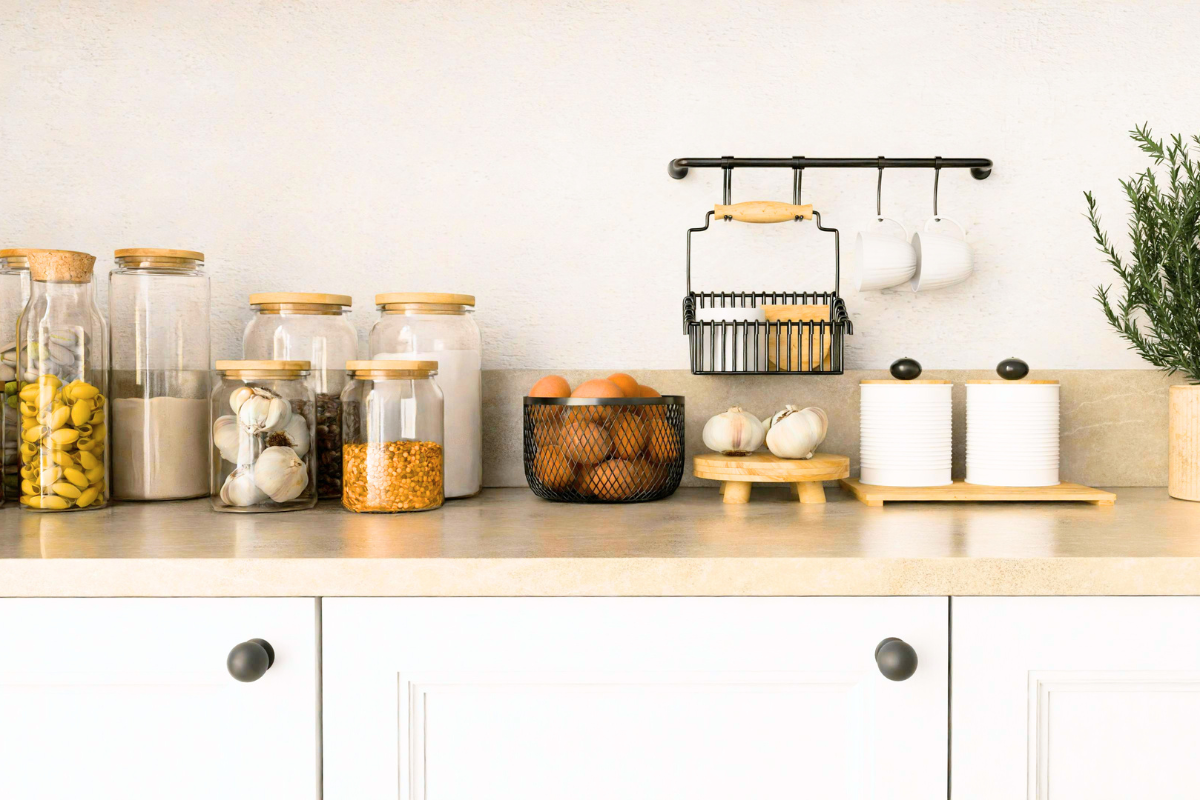
Family kitchens and pantries also evolve constantly.
A snack the children loved for months may suddenly stop being eaten.
A household may change how it eats for health or lifestyle reasons.
Backstock grows.
New products enter the pantry while older ones become buried and eventually expire.
When people cannot see what they already have, they are also more likely to buy it again.
That is why visibility and editing matter.
The pantry should reflect what the household is eating today, not what everyone was eating six months ago.
The same thinking applies to the kitchen itself.
In a Palos Verdes Estates home, the client was walking from one end of the kitchen to the other to pack lunches. Everything was technically organized, but lunch boxes, water bottles, drink packets, and food were not grouped around the routine.
She found the back-and-forth frustrating and felt like it was wasting time.
We adjusted the placement so the lunch categories were closer to the refrigerator and the counter where lunches were prepared.
The kitchen did not need more organization. It needed better placement.
Fewer Steps Make Systems Easier to Maintain
One of the things we look for throughout a family home is unnecessary movement.
If a child has to move several containers before they can put away a toy, the toy is more likely to stay out.
If a backpack needs to travel through multiple rooms before reaching its hook, it will probably land somewhere along the way.
If dog-walking supplies are nowhere near the door, they will naturally begin collecting closer to the entrance.
If breakfast dishes are too high for the children expected to use them, someone else has to become part of that routine every morning.
These are small things, but families repeat them every day.
A thoughtful system removes steps where possible.
That is one reason organizing with intention matters. Placement is based on how an activity happens rather than where there happens to be empty storage.
Flexible Does Not Mean Undefined
A family system still needs structure.
Categories need homes. Children need to know where things belong. Household staff need enough clarity to return items consistently.
But the system also has to accommodate real life.
There needs to be enough room for a category to grow slightly.
There needs to be a process for things children outgrow.
There needs to be a place for incoming purchases and gifts to be considered before they become permanent additions.
And the system needs to be simple enough that everyone using it can understand it.
That balance is what allows organization to hold up when life becomes busy.