



A well-organized home is often thought of as one where everything is neatly put away. Cabinets are closed, surfaces are clear, and nothing feels out of place.
But in many homes, this approach creates a quieter problem.
Things are organized—but daily life feels harder than it should.
The real question is not what can be stored away. It is what should remain within reach.
Storage is not the goal
It is easy to assume that being organized means putting as much away as possible. When everything has a place behind a door or inside a bin, the home looks calm and complete.
But when everyday items are tucked too far out of reach, routines become less efficient.
Morning essentials are harder to grab. Cooking feels more involved than it needs to be. Resetting the home takes longer.
This is often where organization begins to break down—not because there is too much, but because the placement does not support daily life.
In many ways, this is the difference we explore in Spring Cleaning vs. Spring Editing—where editing with intention creates more ease than simply putting everything away.
Accessibility is part of good design
A home that functions well is one that quietly supports the rhythm of the day.
It allows you to move through routines without friction. It makes it easier to follow through on habits. It reduces the number of small decisions required throughout the day.
Accessibility plays a central role in this.
Items used daily or weekly should be easy to reach, easy to return, and easy to see when needed. Not everything needs to be visible, but the right things should be accessible.
When this is in place, a home begins to feel lighter—not just visually, but functionally.
Ask better questions before putting something in storage
Before placing something in storage, it helps to pause and ask a different set of questions:
-
How often is this used?
-
At what time of day do I reach for it?
-
Who needs access to it?
-
Would it make life easier if this were within arm’s reach?
-
Do I forget about this when it is out of sight?
These questions shift the focus from space to lifestyle.
They help ensure that organization is not just tidy, but supportive.
This is especially important during transitions, like preparing for a move. In How to Prepare Your Home for a Move—Before Boxes Ever Appear, we often guide clients through these decisions before anything is packed, so the next home starts with intention.
What usually belongs in storage
Some items naturally belong in storage because they are not part of daily life.
These often include:
-
Seasonal décor
-
Backup household supplies
-
Archived paperwork
-
Memorabilia and keepsakes
-
Specialty entertaining pieces
-
Travel items used occasionally
The key is that these items are intentionally stored, not simply moved out of sight.
A thoughtful example of this can be seen in Children’s Artwork, Preserved with Intention, where meaningful items are kept in a way that honors them—without overwhelming the home.
What should stay within reach
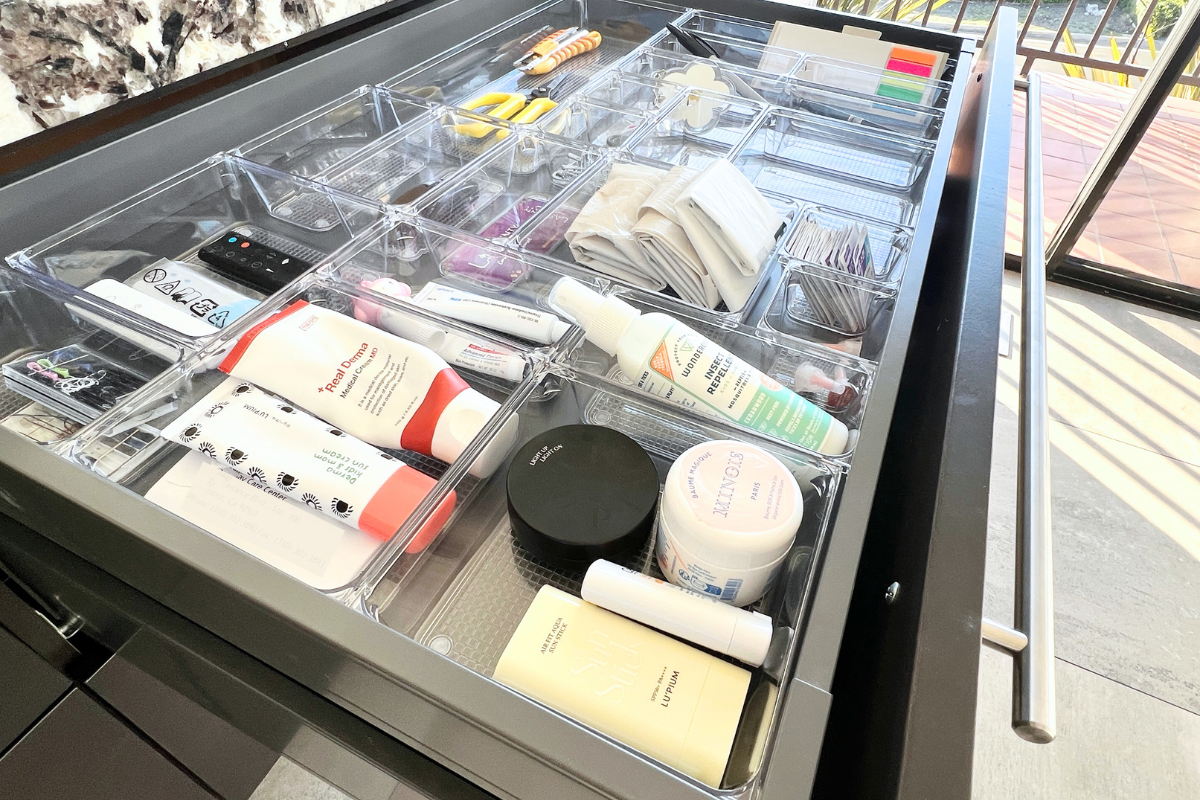
Items that support daily routines should be easy to access.
These often include:
-
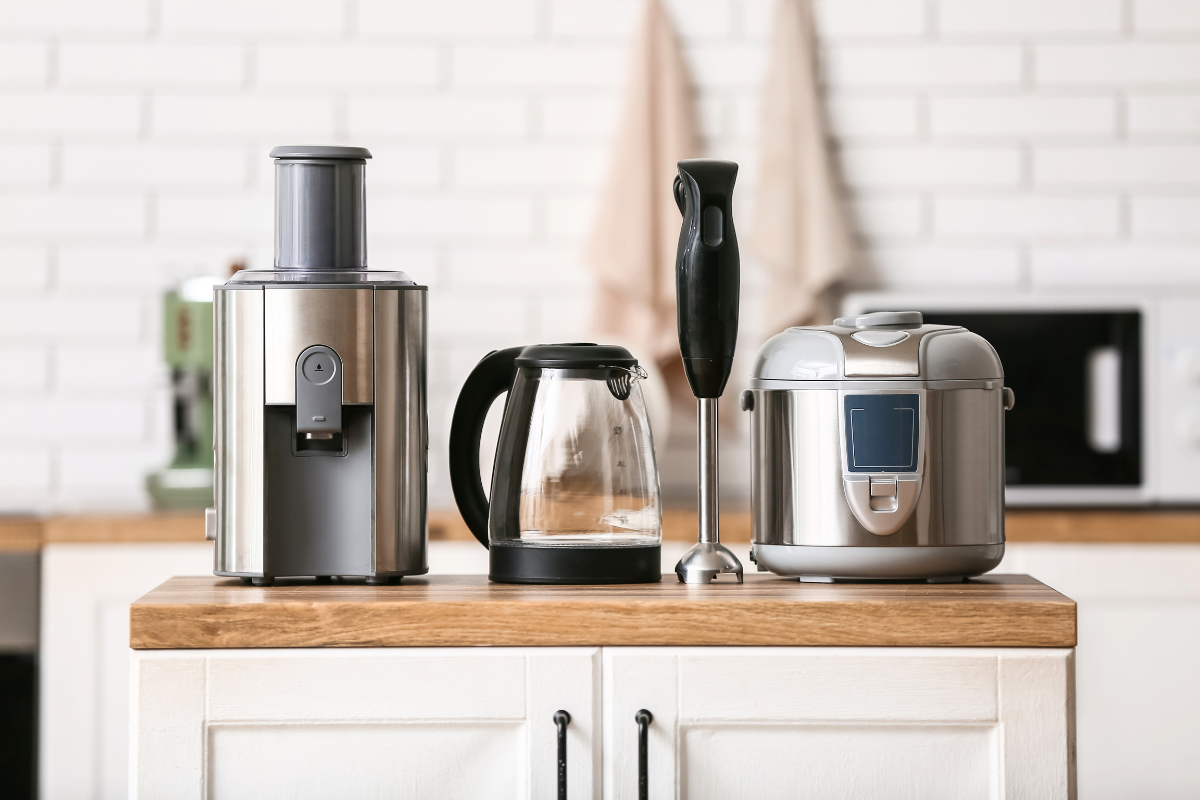
Kitchen tools used every day
-
Lunch packing essentials
-
Daily vitamins or medications
-
Handbags or frequently used accessories
-
Pet supplies
-
Personal care items
-
Children’s school and activity items
When these are placed with intention, routines feel smoother and more natural.
This is often the shift that makes a home feel not just organized—but livable.
The goal is not visibility everywhere
Keeping things within reach does not mean everything should be out on display.
A calm home still benefits from thoughtful containment and visual simplicity.
The goal is balance.
Some things are stored away because they are not needed often. Others are placed within reach because they support daily life.
When that balance is right, the home begins to work with you instead of against you.
Where this shift begins
A well-organized home is not defined by how much is stored away.
It is defined by how easily you can move through your day.
When the right things are within reach, and the rest are stored with intention, the home becomes easier to maintain—and more enjoyable to live in.
These are the questions that often come up as we guide clients through these decisions at home.
Frequently Asked Questions
How do I decide what belongs in storage at home?
Focus on how often you use the item. Daily and weekly items should stay accessible, while seasonal or rarely used items can be stored away.
Is it better to keep things visible or put everything away?
The goal is not visibility everywhere, but thoughtful access—keeping what you use regularly within reach while maintaining a calm environment.
What are common mistakes people make with storage?
A common mistake is storing everyday items too far out of reach, which makes routines more difficult and harder to maintain.
Should I store items just because I have the space?
No. Storage should be intentional and aligned with how you actually live, not simply based on available space.
How does storage affect daily routines?
Storage decisions directly impact how easy or difficult routines feel. When essential items are easy to access, daily life becomes more seamless.
If your home feels organized but still harder to maintain than it should, this is often where we begin with our clients—begin here.
Warmly,
Elissa


