
Why Kitchen Organization Fails When It Ignores Daily Routines
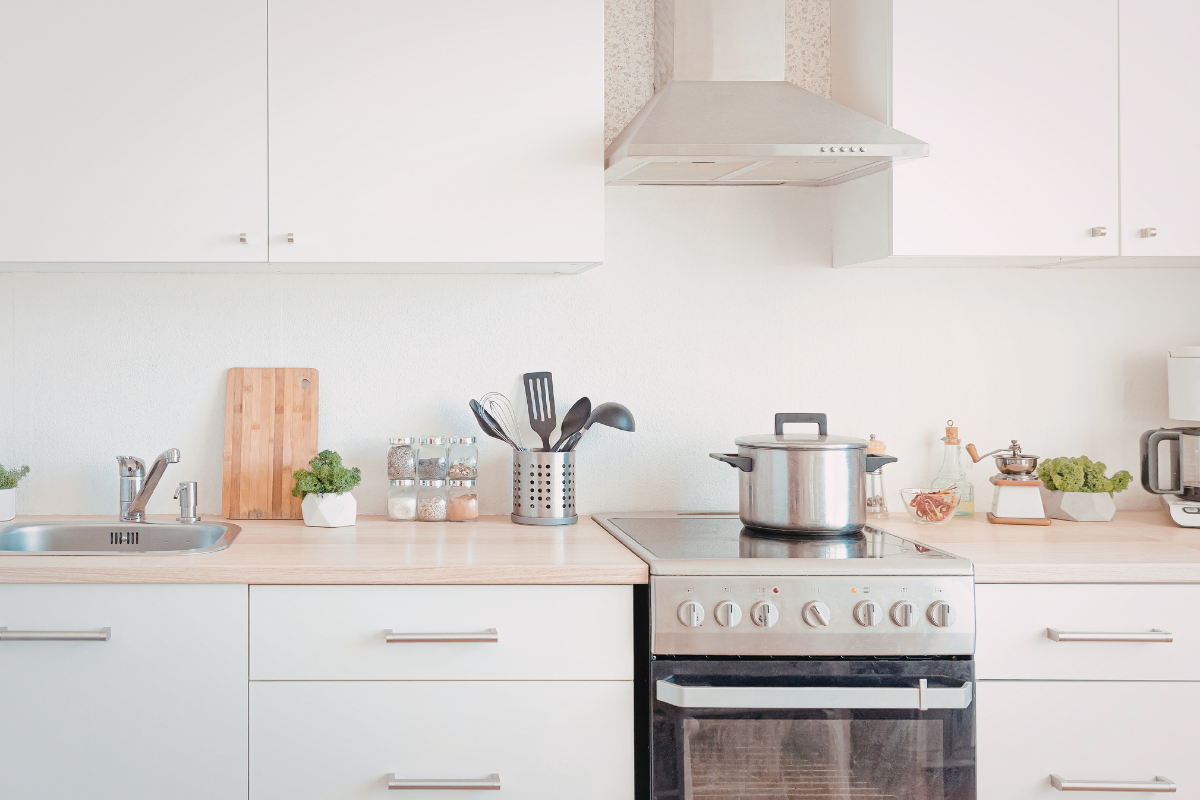
A kitchen that looks organized can still feel difficult to use
A kitchen can be neat, beautiful, and full of well-labeled containers — and still not work.
This is something we see often in client homes. The space may look organized on the surface, but the experience of using it each day still feels inefficient, frustrating, or harder than it should be. People are opening multiple cabinets just to make breakfast. Lunch-packing requires moving from one end of the kitchen to the other. Everyday dishes are stored where they fit, not where they are needed.
The systems may be technically organized, but they are not aligned with real life.
That is usually where kitchen organization begins to fail.
Because a functional kitchen is not built around categories alone. It is built around routines — and when systems are not created with lifestyle alignment, even beautiful kitchens can feel difficult to maintain.
The problem with organizing by appearance alone
A lot of kitchen organization advice focuses on making things look tidy. Matching containers, decanted pantry staples, clear countertops, and perfectly grouped categories can absolutely have value.
But when those choices are made without considering how the kitchen is actually used, the result often feels short-lived.
A system might look beautiful in photos but become difficult to maintain within days.
That is because most people do not move through their kitchens in categories. They move through them in sequences.
Morning coffee. Packing lunches. Emptying the dishwasher. Preparing an after-school snack. Cooking dinner. Resetting the space before bed.
When a kitchen is organized without honoring those sequences, even simple tasks start to require too many steps. And over time, that friction adds up.
What we look at first
When we organize a kitchen, we are not only looking at what someone owns. We are looking at how they live.
We pay attention to questions like:
Where does the day begin in this kitchen?
What gets used every single morning?
Where do children reach for their cups or snacks?
What does lunch packing look like?
Who unloads the dishwasher, and where should items land easily?
What part of the kitchen becomes most crowded during meal prep?
What needs to be within reach, and what can live farther away?
These details reveal how the space needs to function.
A kitchen that supports daily routines feels calmer not because it is empty or styled a certain way, but because it reduces unnecessary movement and decision-making. It helps the household flow.
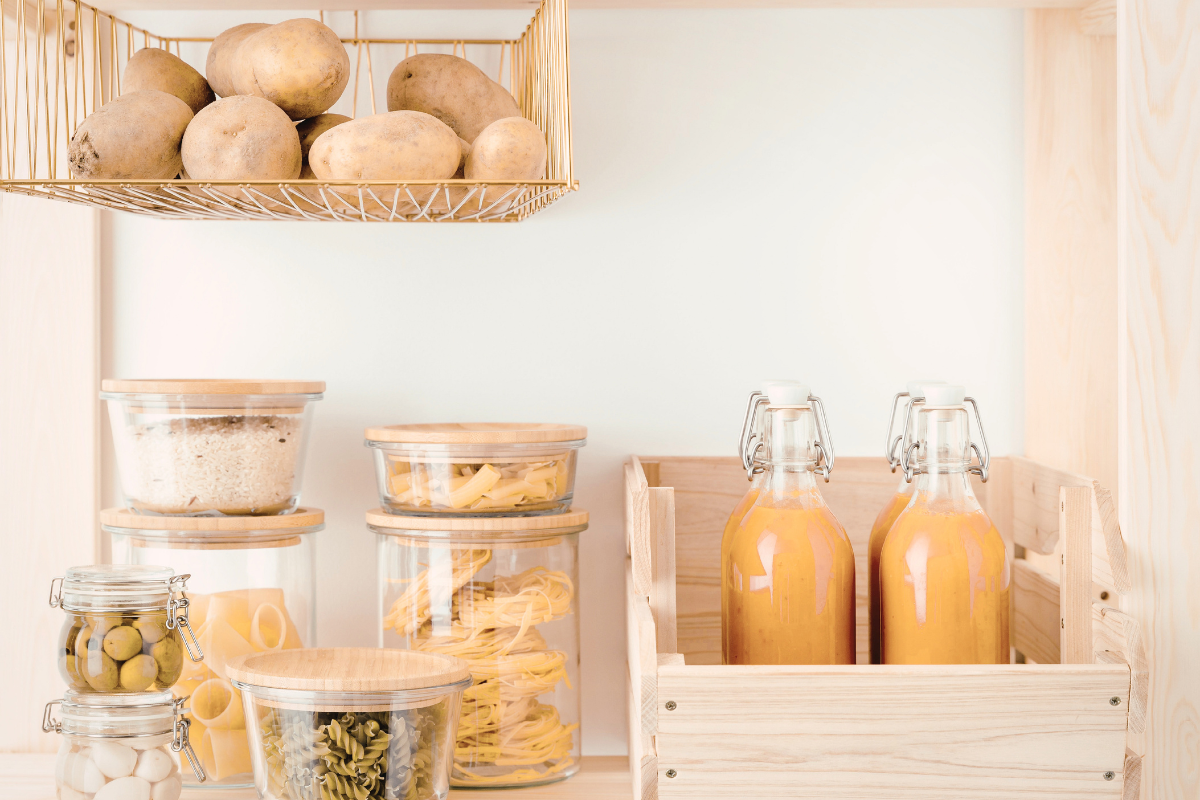
Why “organized” kitchens still feel frustrating
When a kitchen ignores daily routines, the signs usually show up quickly.
You may notice that frequently used items are stored too high, too low, or too far away. Breakfast items live in separate zones instead of together. Lunch containers, bags, and snacks are scattered across the kitchen. Serving pieces take up prime space while everyday essentials are harder to reach.
Counters begin to collect clutter — not because there is too much, but because there is no thoughtful home for the items that support daily life.
None of this means a person is disorganized.
More often, it means the system was created around what seemed logical at the time, instead of what actually happens every day.
The shift that makes a kitchen work better
The most effective kitchen organization usually comes from a simple shift: organizing by function first, then refining for beauty.
This is what it means to organize with intention — creating systems that reflect how a space is actually used, not just how it looks.
That might mean creating a breakfast zone instead of storing items by product type. Keeping lunch-packing supplies together because that is a real daily task. Moving kids’ dishes to a lower drawer. Relocating vitamins closer to where they are taken. Storing prep tools where they are actually used instead of where there happened to be room.
These choices may seem small, but together they change the experience of the space.
A well-organized kitchen should support the rhythm of the household. It should make ordinary moments easier.
This is where personalization matters
No two kitchens should be organized exactly the same way, because no two households live the same way.
One home may need to support school mornings and packed lunches. Another may revolve around cooking and hosting. Someone living alone may want simplicity and ease, while a larger household may need flexibility and accessibility for multiple people using the space at once.
This is why thoughtful organizing is never just about putting things away.
It is about understanding what the home needs to hold — and how the people inside it want to feel.
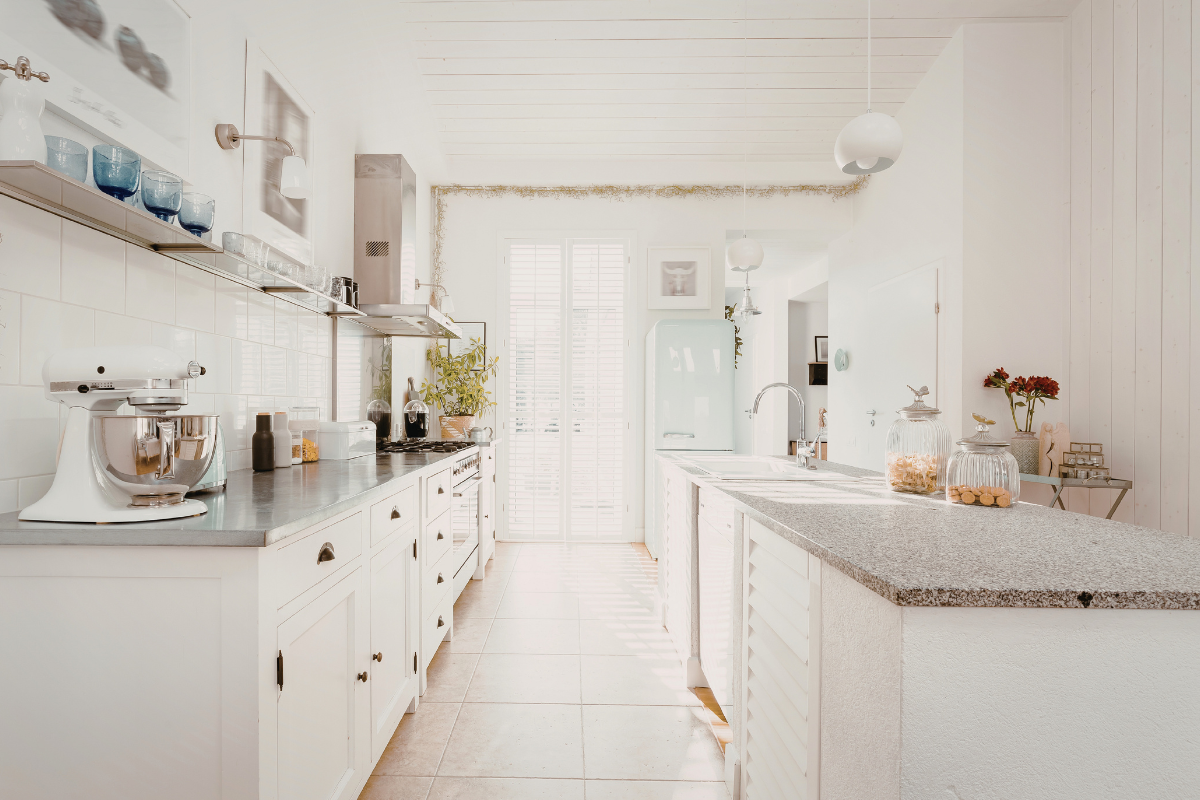
What lasting kitchen organization really looks like
Lasting organization is not about perfection.
It is about creating a kitchen where the most common tasks feel natural. Where items are easy to find, easy to put away, and placed with intention. Where the systems make sense to the people using them.
Where beauty and function support each other instead of competing.
That is when a kitchen begins to feel truly settled.
Not when it looks finished for a moment, but when it works well on an ordinary Tuesday.
A more supportive place to begin
If your kitchen looks organized but still feels frustrating, the issue may not be the amount of space you have.
It often begins with a simple reset. A small, focused approach like a simple pantry edit routine can create immediate clarity and help you see what is actually working in your space — and what is not.
From there, the systems can begin to shift in a way that feels natural and sustainable.
Common questions about kitchen organization and daily routines
Frequently Asked Questions
Why does my kitchen still feel messy even after organizing it?
A kitchen can feel messy even when it is technically organized if the systems do not reflect how it is used every day. When items are stored by category instead of by routine, simple tasks require more effort, and things tend to drift out of place quickly. Organization works best when it supports daily flow, not just visual order.
What is the best way to organize a kitchen for daily use?
The most effective approach is to organize your kitchen around routines rather than categories. Start by noticing how you move through the space—morning coffee, preparing meals, packing lunches, or unloading the dishwasher—and group items based on those activities. This reduces unnecessary steps and makes the space feel more intuitive to use.
Why do traditional kitchen organizing methods fail?
Traditional methods often focus on appearance—matching containers, labels, and grouped categories—without considering how the kitchen functions in real life. When systems are not aligned with daily habits, they can be difficult to maintain, even if they look beautiful at first.
How do I create kitchen systems that actually last?
Lasting kitchen organization comes from aligning your systems with your lifestyle. This means placing frequently used items within easy reach, grouping items by how they are used together, and allowing the space to support your natural routines. Small adjustments often create more impact than complete overhauls.
Where should I start if my kitchen feels overwhelming?
Starting small is often the most effective approach. A focused reset—like editing and reorganizing your pantry—can create immediate clarity and help you understand what is working and what is not. From there, you can begin to adjust the rest of the kitchen in a more intentional way.
Is professional kitchen organizing worth it?
Professional organizing can be especially valuable when a space feels frustrating despite repeated efforts to fix it. A thoughtful approach looks beyond where things fit and focuses on how the space functions, creating systems that feel natural, supportive, and easier to maintain over time.
A more thoughtful approach
At Ethereal Edits, we organize kitchens by paying close attention to daily patterns, lifestyle, and flow. We consider not only what belongs in the space, but how the space can better support the people living in it.
Because the goal is never just a prettier kitchen.
It is a kitchen that feels easier to live in.
If your kitchen feels organized but still not quite settled, we’d be glad to support you.
Warmly,
Elissa
About Ethereal Edits
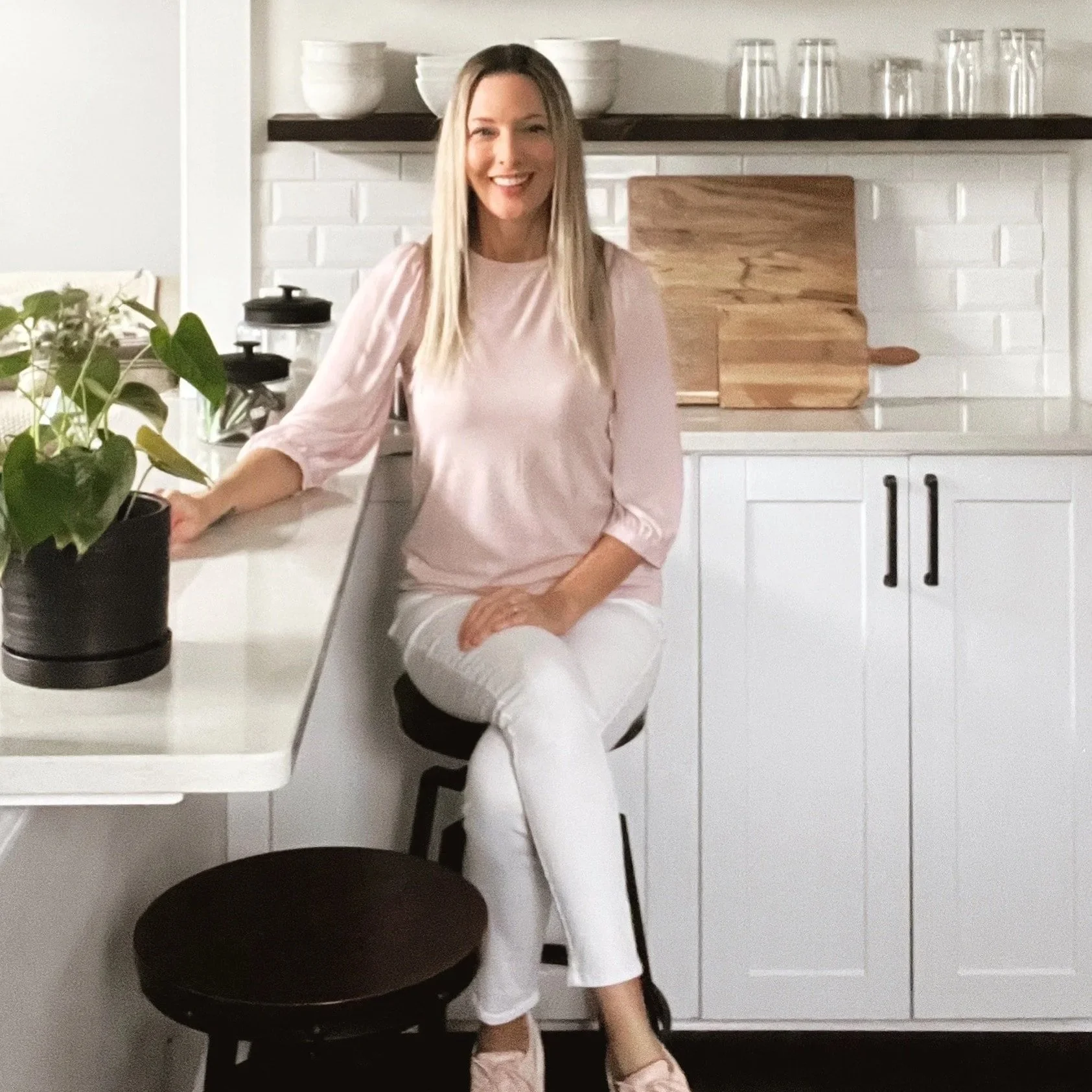
I’m Elissa Giwner, the founder of Ethereal Edits, a Los Angeles home organizing studio specializing in thoughtful, practical, and beautifully functional homes. I believe in the power of smart systems to bring more joy into your life — soothing your routines, inspiring calm, and nurturing more of what you love most.
Together, we’ll discover the look, feel, and functionality that create your happiest, most organized home.
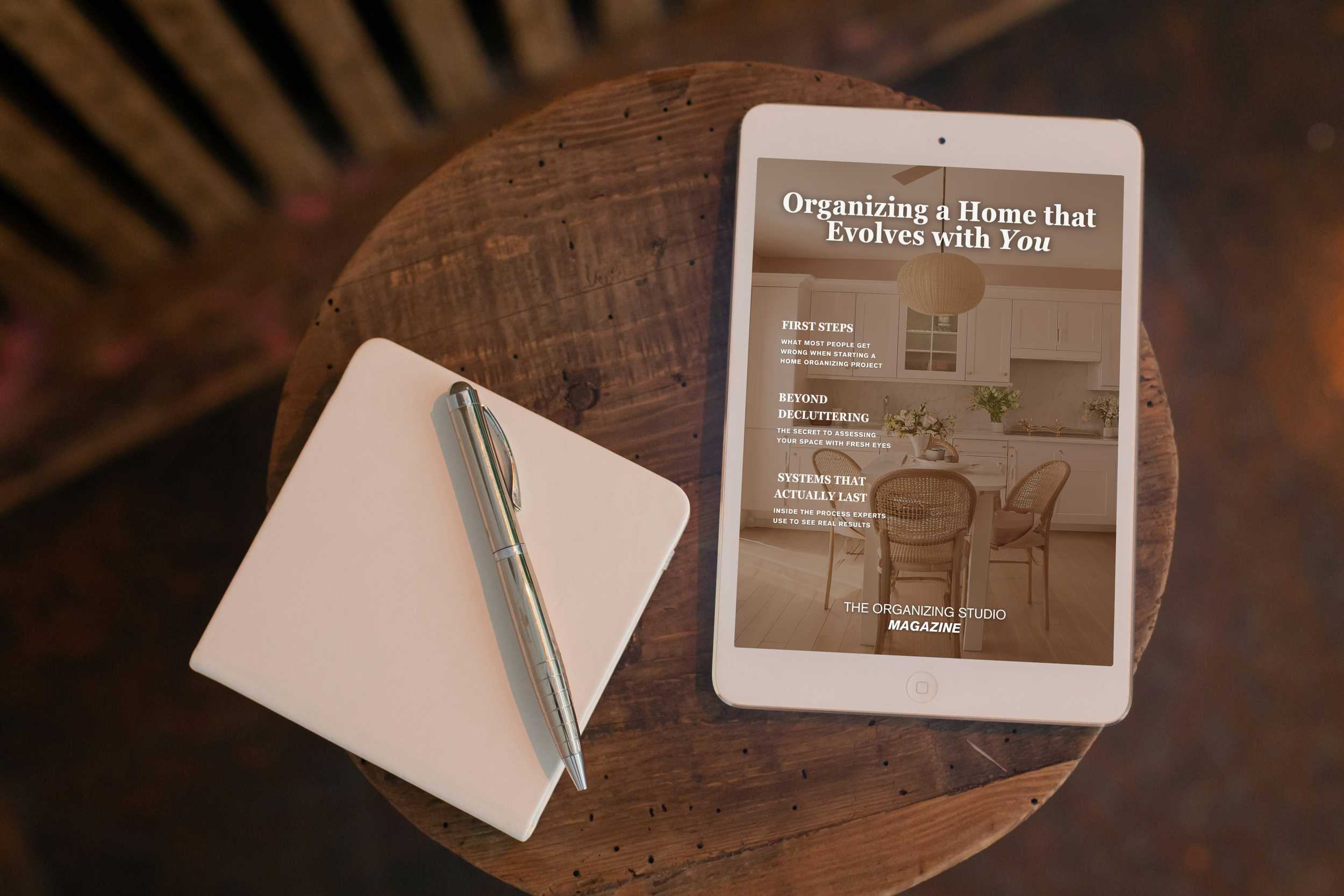
Organizing that evolves with the way you live
Preparing for a move is only the beginning. The systems you build should continue supporting you long after unpacking.
Explore our Lifestyle Organizing Guide for a thoughtful, lasting approach to organization.